Water-proof vs Water-Resistant Tent Fabrics: What Every Camper Needs to Know
You have actually spent weeks intending the ideal outdoor camping journey. You've mapped the routes, packed the treats, and chose the ideal area. Then the skies opens up-- and your outdoor tents starts allowing water. Whether that catastrophe takes place typically comes down to one important decision you might have overlooked when acquiring your tent: the distinction between water-proof and water-resistant textiles.
These two terms are usually made use of interchangeably in advertising and marketing, but they are not the very same thing. Comprehending the distinction can imply the distinction between a soaked night and a dry, comfy sleep under the celebrities.
What Does Waterproof Mean?
Water-resistant textiles are treated to decrease the infiltration of water, however they are not made to stop it completely. Most camping tents attain this through a DWR finish-- brief for Resilient Water Repellent. This chemical therapy triggers water to grain up and roll off the surface instead of soaking through immediately.
Think about it like a raincoat that functions perfectly in a light drizzle however at some point soaks through throughout a heavy downpour. A waterproof tent can deal with early morning dew, light rainfall, and brief showers without issue. Nonetheless, in sustained or heavy rainfall, water will ultimately discover its means inside.
Water-resistant camping tents have a tendency to be lighter, extra breathable, and cheaper. They are a functional selection for fair-weather camping, short weekend journeys, or periods where rainfall is unlikely. If you mostly camp in dry environments or summertime, a water-resistant tent may offer you well.
What Does Waterproof Mean?
A water-proof outdoor tents is built to keep water out under a lot more requiring problems. As opposed to relying solely on a surface finishing, water-proof outdoors tents use fabrics with a polyurethane or silicone laminate-- a layer bonded directly to the material that stops water from travelling through in all.
Understanding Hydrostatic Head Ratings
The essential measurement for water resistant fabrics is the hydrostatic head rating, expressed in millimeters. This number tells you how much water stress the textile can withstand before it leaks. A rating of 1,500 mm is thought about the minimum for a camping tent to be called water resistant, while many high quality outdoor camping tents fall in the 2,000 mm to 3,000 mm variety. Expedition-grade camping tents created for alpine conditions typically surpass 5,000 mm.
To put that in useful terms, a 2,000 mm score implies the material can hold a column of water two meters high before any seepage occurs. For most campers dealing with rainfall and wind, a rating between 2,000 mm and 3,000 mm is more than enough.
Joint Sealing and Taped Seams
Also one of the most water resistant material has a weak point: the seams. Every stitch creates a series of little openings, and water will certainly discover them. Really waterproof tents address this with joint securing-- either factory-applied tape that bonds over the sewing, or a liquid sealant used by hand. If an outdoor tents promotes water resistant material but does not mention covered joints, it will likely leak at the sewing lines throughout hefty rain.
Which One Do You Actually Required?
The appropriate option depends completely on how and where you camp.
Choose Waterproof If:
You camp mostly in summertime or dry environments, you take mainly short overnight journeys near to your vehicle, weight is a top concern for you, and you are functioning within a tighter budget. Waterproof outdoors tents are likewise fine for usage with a high quality rainfly, which adds an added layer of security over the camping tent body.
Choose Waterproof If:
You camp in areas with unforeseeable climate, you go on multi-day backpacking trips where you can not escape the rainfall, you camp in spring or fall when tornados are more likely, or you merely desire peace of mind without frequently inspecting the forecast. For family members camping trips where maintaining everyone completely dry is non-negotiable, water resistant is always the smarter financial investment.
Maintaining Your Outdoor tents's Water Security
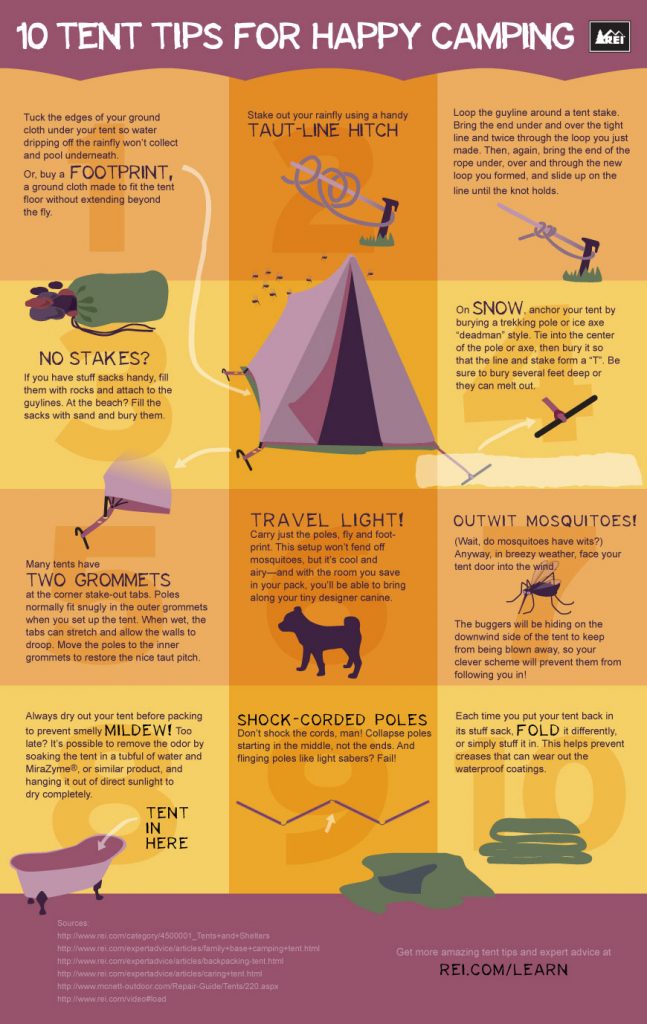
Neither waterproof neither water-resistant textiles last forever without some treatment. DWR finishings wear away with time and with repeated cleaning. You can restore them with spray-on or wash-in DWR products readily available at most outdoor retailers. Polyurethane finishes camp lantern can also weaken, particularly when outdoors tents are kept wet or in hot problems. Always completely dry your tent extensively before packing it away.
All-time Low Line
Waterproof and waterproof are not just marketing buzzwords-- they show real differences in textile building, efficiency, and suitable usage. Before your next outdoor tents purchase, examine the hydrostatic head rating, verify whether the joints are sealed, and believe truthfully about the problems you camp in most. A few mins of research currently can conserve you from a very damp and unpleasant night later on.